Skip to content

New mRNA delivery system could transform cancer treatment

Researchers in the Miqin Zhang lab (materials science & engineering) have developed a promising new way to deliver messenger ribonucleic acid (mRNA) to cancer cells. Their novel polymer platform, a new nanoparticle comprised of perfluoroheptanoic acid (PFHA), polyethyleneimine (PEI), heparin (HP) and mRNA, shows enormous potential to outperform the current standard platform, lipid nanoparticles (LNPs).

Novel nanoparticle shows promise for treating aggressive breast cancer

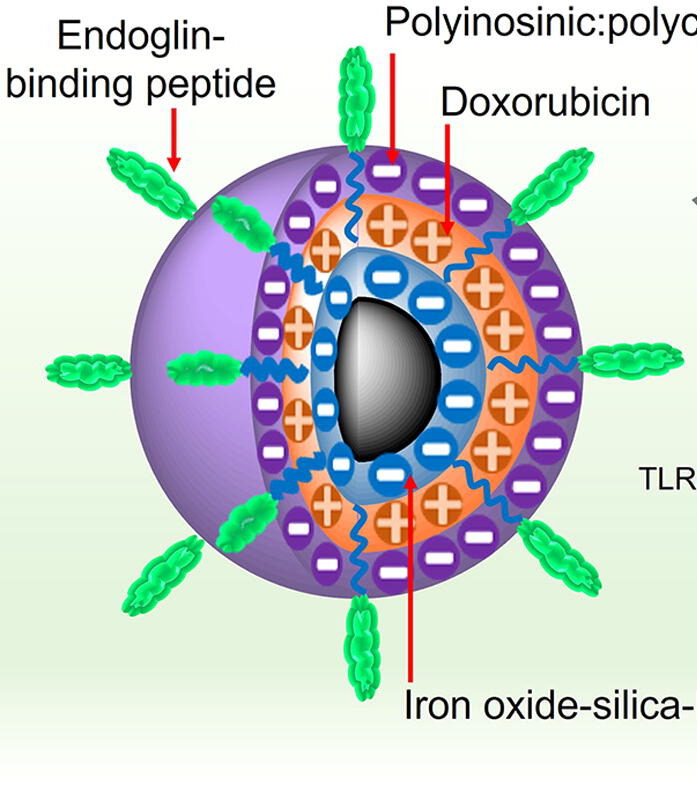
Scientists at the University of Washington (UW) have recently developed a new nanoparticle-based drug delivery system that simultaneously delivers chemo- and immune- therapeutics directly to the tumor site, limiting harmful off-target side effects. In a paper published last November in Materials Today, they reported that their multifunctional nanoparticle can inhibit tumor growth and spread, also known as metastasis, in mouse models of triple negative breast cancer (TNBC), an exceptionally aggressive form of breast cancer with limited treatment options.