ME Assistant Professor Lucas Meza received an NSF CAREER Award to study how to create tough, sustainable materials using nanoengineering.
Creating tougher sustainable materials
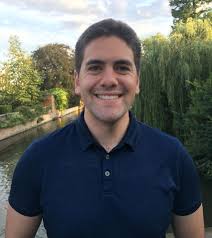
ME Assistant Professor Lucas Meza received an NSF CAREER Award to study how to create tough, sustainable materials using nanoengineering.
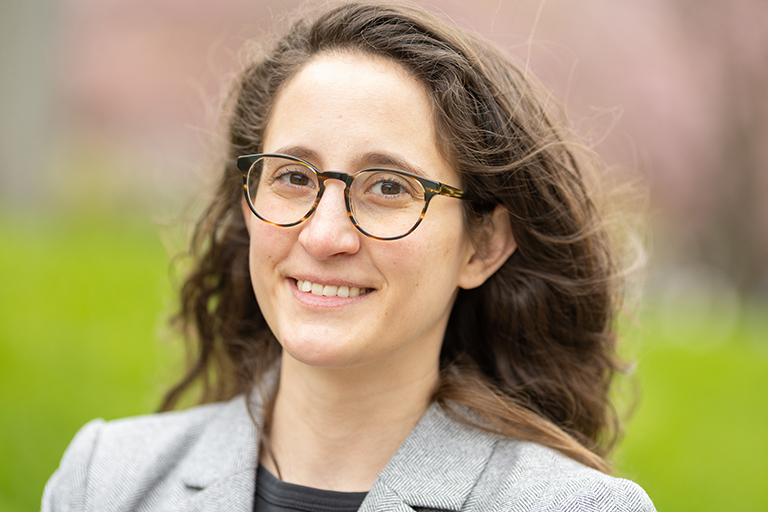
UW ECE Assistant Professor Sara Mouradian has been awarded a three-year grant from the Air Force Office of Scientific Research, or AFOSR, through its Young Investigator Program, or YIP. The grant will support work in Mouradian’s Scalable Quantum Research Lab, which aims to build, understand and control trapped ion quantum systems in order to develop useful and practical quantum technologies. Mouradian joins an elite group of investigators as one of only 48 scientists and engineers from across the nation that have been awarded a 2024 AFOSR YIP grant. These individuals have each demonstrated exceptional ability and promise for conducting basic research relevant to the U.S. Air Force and national defense.
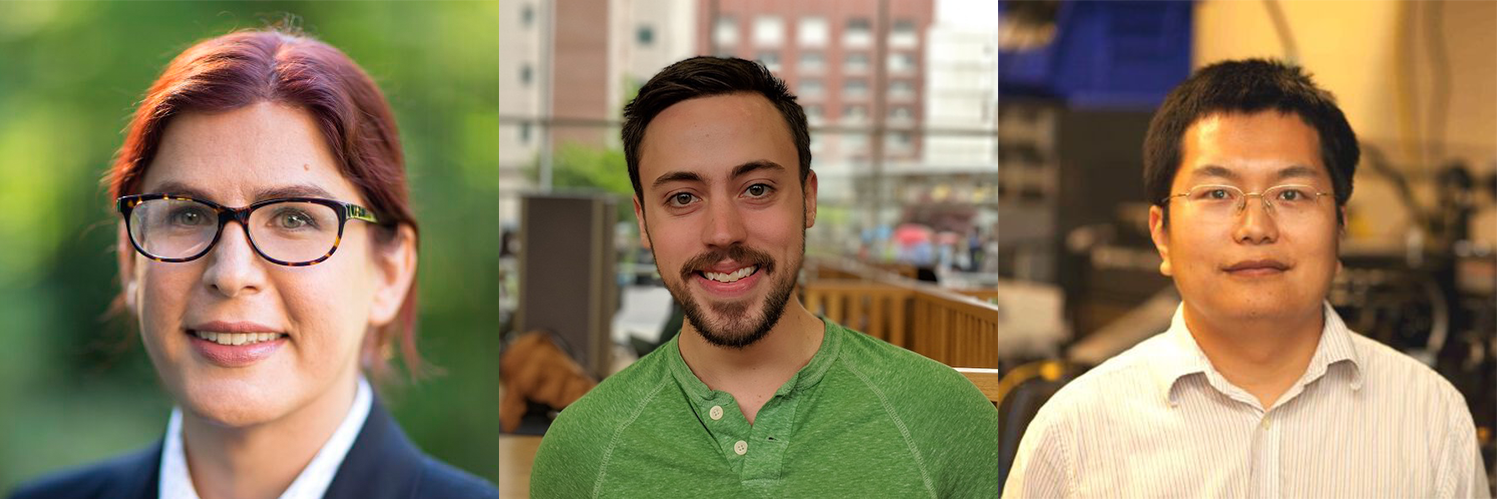
The University of Washington’s Clean Energy Institute has awarded Collaborative Seed Grants to three teams of UW faculty to enable their pursuit of center-scale funding for transformative clean energy research. Collaborative Seed Grants provide UW scholars with up to $200,000 to explore novel, high-risk/high-reward research topics while seeding new collaborations in research and education that significantly increase the prospects for future extramural support.
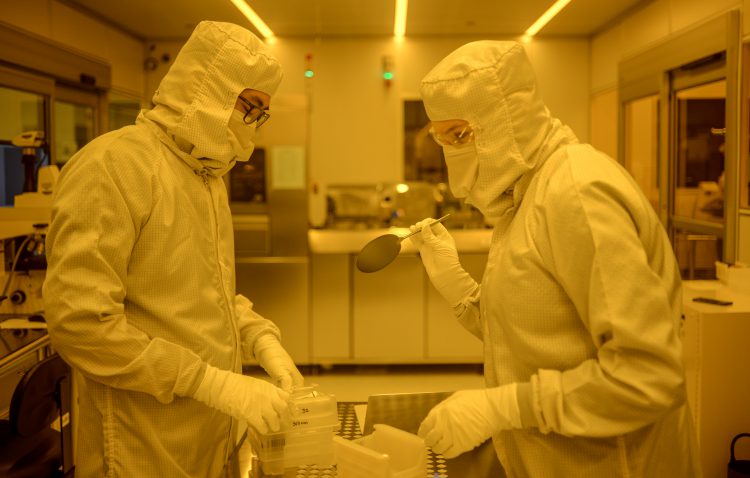
The Institute for Nano-engineered Systems (NanoES) has awarded four seed grants to researchers at Washington (UW) and Western Washington University to use nanotechnology tools to develop new, innovative technologies and devices. Awardees will receive up to $10,000 to carry out work in the UW’s Washington Nanofabrication Facility (WNF) and Molecular Analysis Facility (MAF).
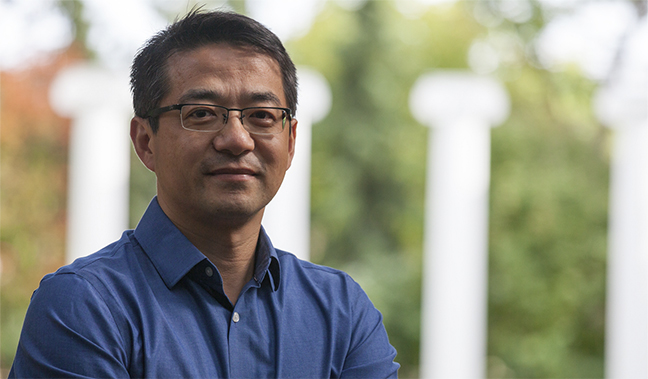
UW ECE Professor Mo Li recently received the honor of being named an Optica Fellow for his leading contributions to the fields of optics and photonics. Li is also a professor in the UW Department of Physics and a member of the Institute for Nano-Engineered Systems at the UW.

Veesler’s lab studies the structure and function of macromolecular complexes involved in the pathogenesis of infectious diseases, such as SARS-CoV-2, to provide avenues for creating vaccines and therapeutics.