Skip to content

Ultra-flat optic pushes beyond what was previously thought possible
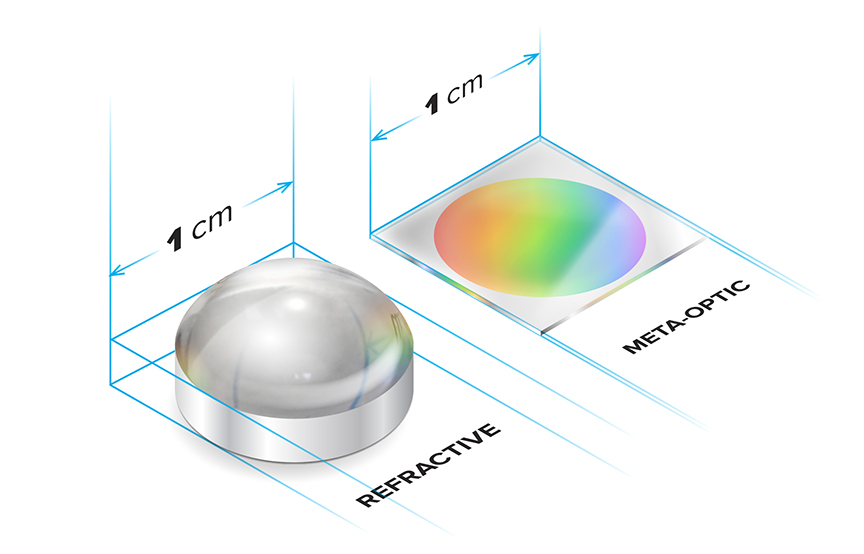
In a first-of-its-kind achievement, a team of researchers at the University of Washington and Princeton University, co-led by NanoES faculty member Arka Majumdar (electrical & computer engineering, physics) and including NanoES director Karl Böhringer (ECE, bioengineering), has shown that a camera containing a large aperture, ultra-flat optic can record high-quality color images and video comparable to what can be captured with a conventional camera lens. The metalens, developed at the Washington Nanofabrication Facility (WNF), is hundreds of times smaller and thinner than a conventional camera lens, offering substantial savings in volume, weight, and device battery life.

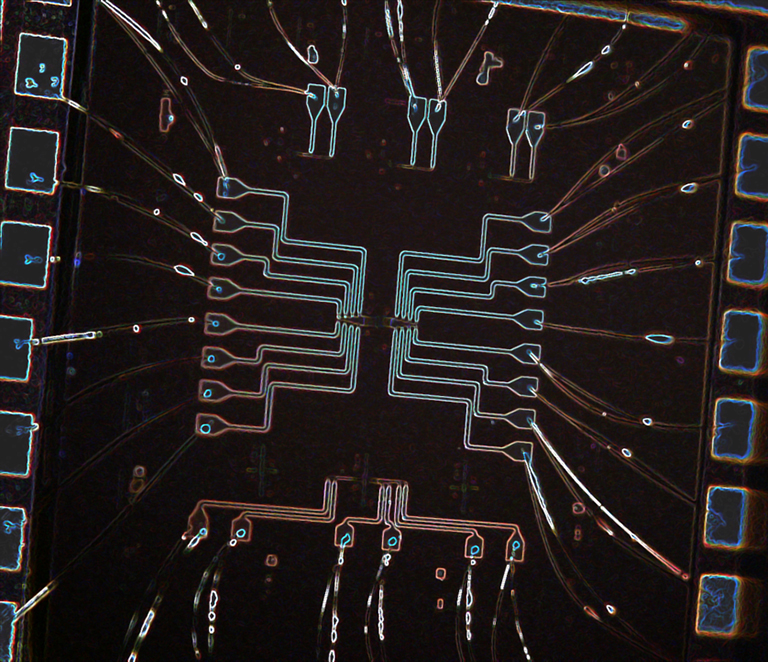
A new kind of chip for quantum technology

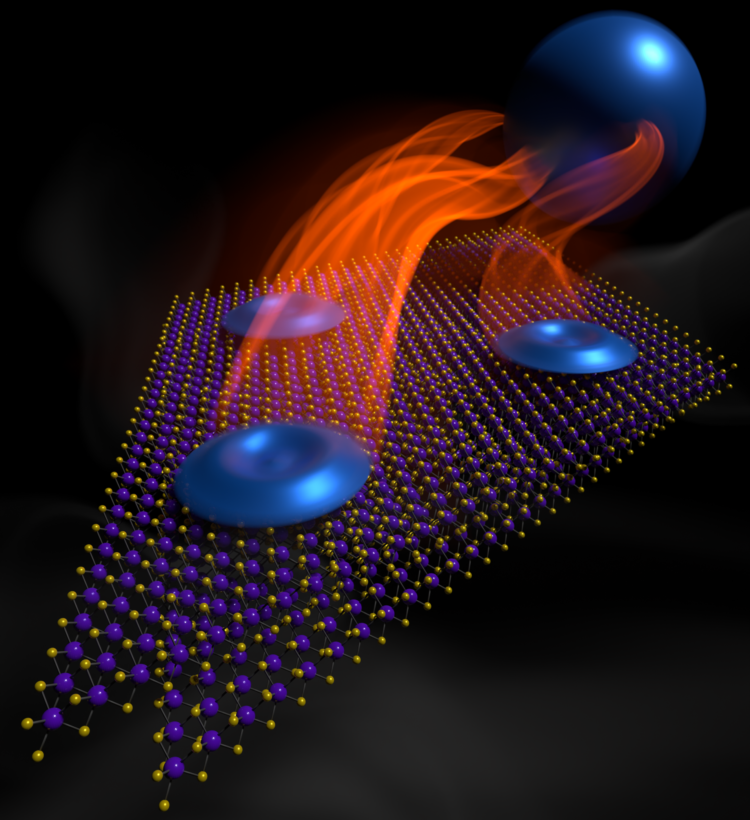
Today, we are living in the midst of a race to develop a quantum computer, one that could be used for practical applications. This device, built on the principles of quantum mechanics, holds the potential to perform computing tasks far beyond the capabilities of today’s fastest supercomputers. Quantum computers and other quantum-enabled technologies could foster significant advances in areas such as cybersecurity and molecular simulation, impacting and even revolutionizing fields such as online security, drug discovery and material fabrication.

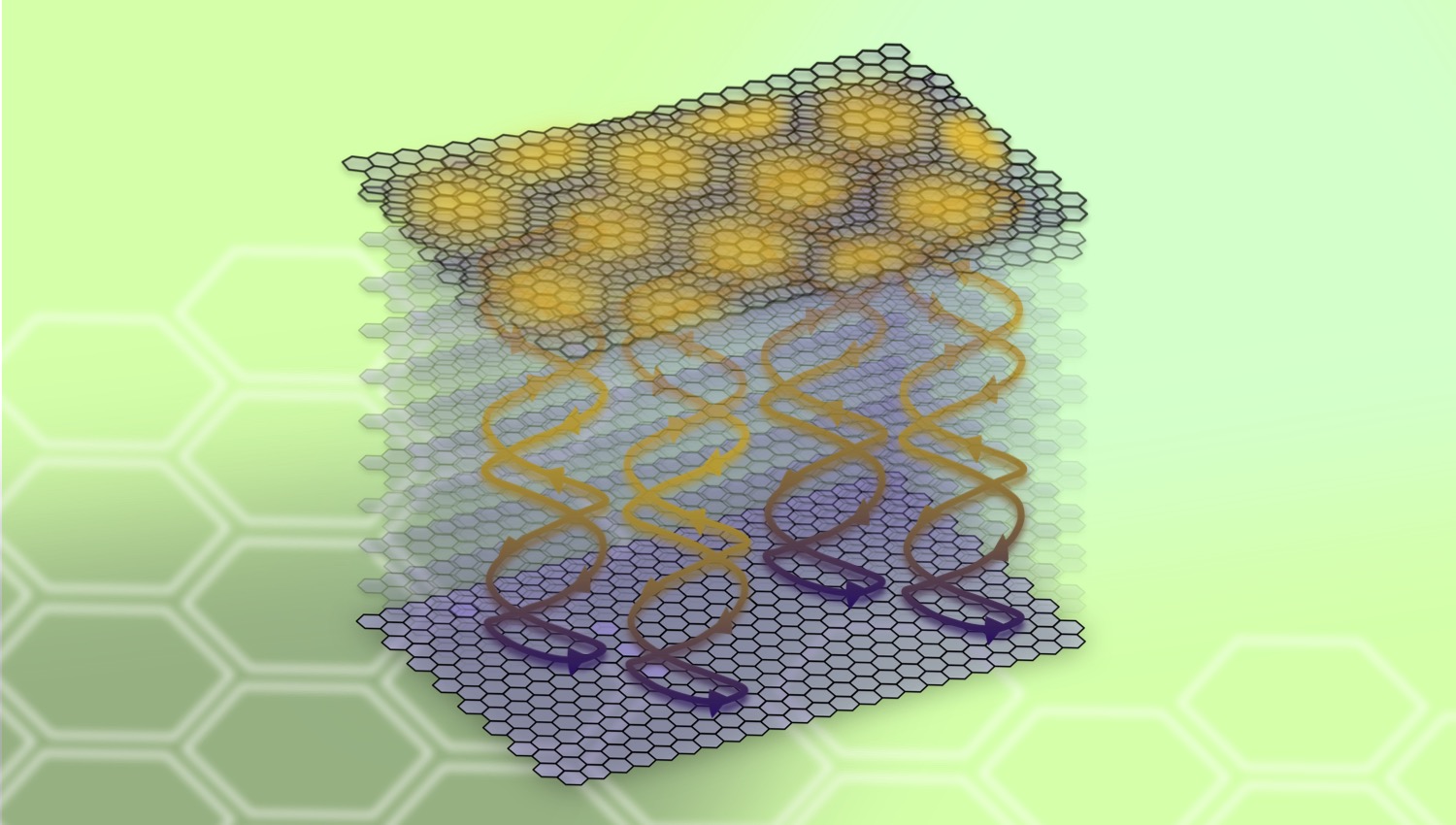
Researchers put a new twist on graphite

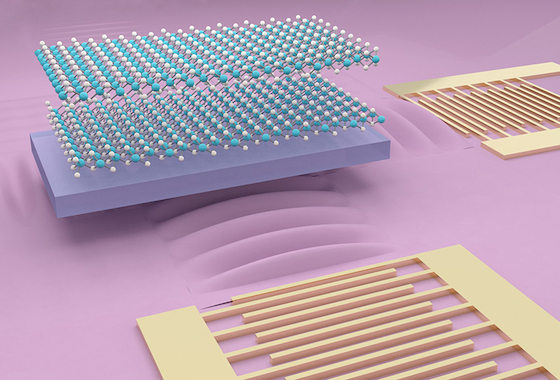
In a new Nature paper, a team led by UW researchers reports that it is possible to imbue graphite — the bulk, 3D material found in No. 2 pencils — with physical properties similar to graphite’s 2D counterpart, graphene. Not only was this breakthrough unexpected, the team also believes its approach could be used to test whether similar types of bulk materials can also take on 2D-like properties. If so, 2D sheets won’t be the only source for scientists to fuel technological revolutions. Bulk, 3D materials could be just as useful.

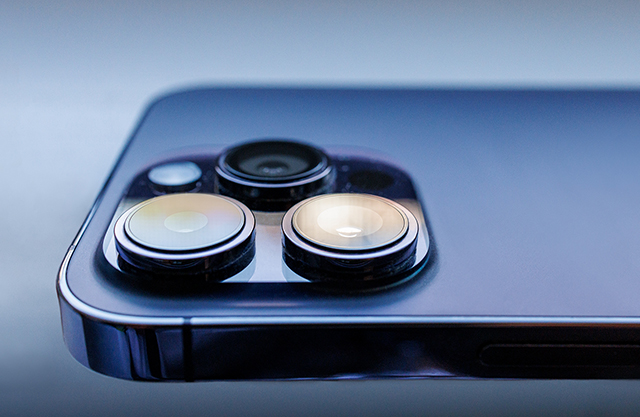
Reimagining optics for smartphones and other devices

UW ECE and Physics Associate Professor Arka Majumdar and UW ECE postdoctoral scholar Johannes Fröch are part of an international research team helping to make high-quality, color cameras smaller and lighter for mobile platforms, such as next-generation smartphones, drones, and point-of-care medical devices. The team recently developed a miniature camera that uses an innovative hybrid optical system over 100 times smaller than its commercial counterpart.

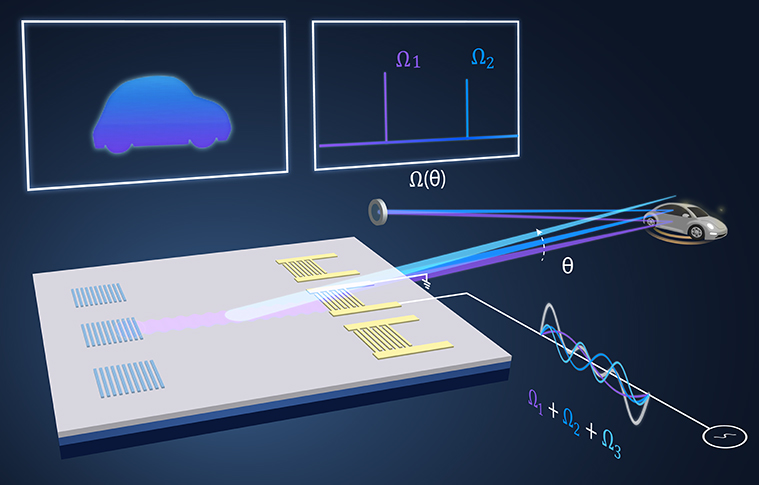
Next-generation data centers within reach thanks to new energy-efficient switches

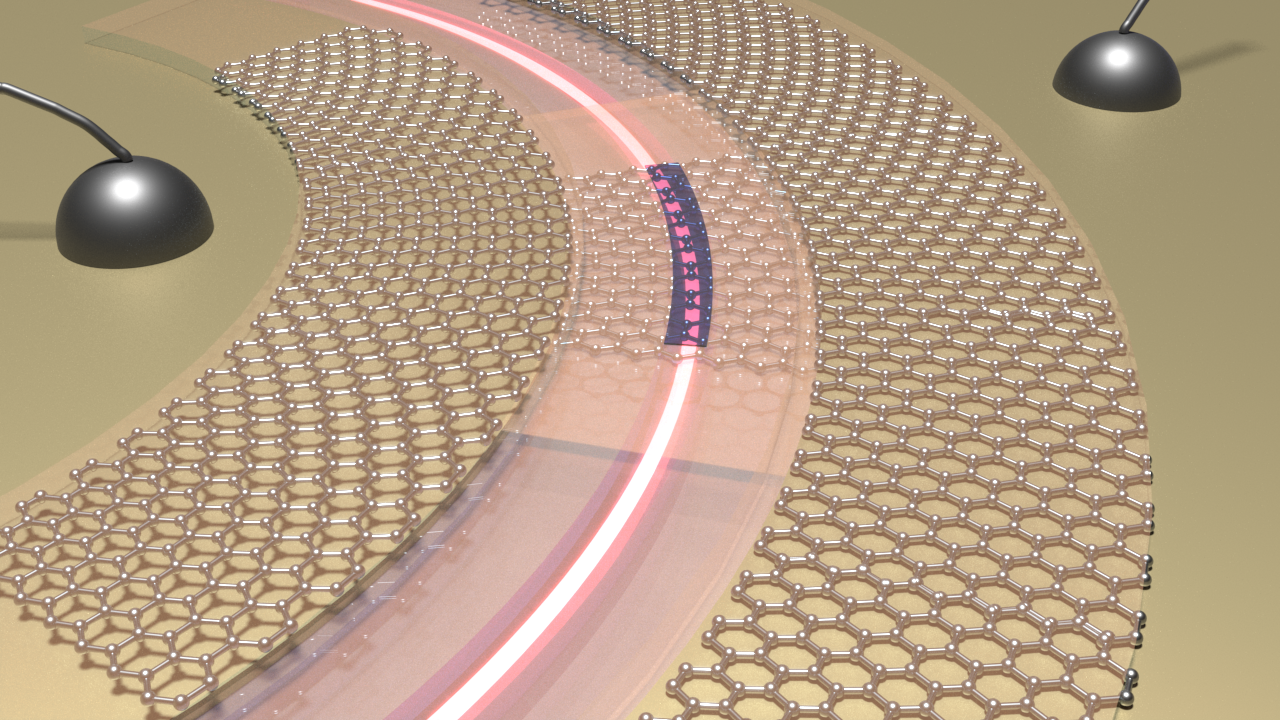
In a paper published online July 4 in Nature Nanotechnology, a team led by University of Washington scientists reported the design of an energy-efficient, silicon-based non-volatile switch that manipulates light through the use of a phase-change material and graphene heater. The exceptional performance of their switch could help advance both information technology and quantum computing.